

6 Ways to Build Wealth, Including One You Might Be Overlooking: Buying a Home
/Building wealth doesn't happen overnight. It takes planning, discipline, and making smart decisions with your money.
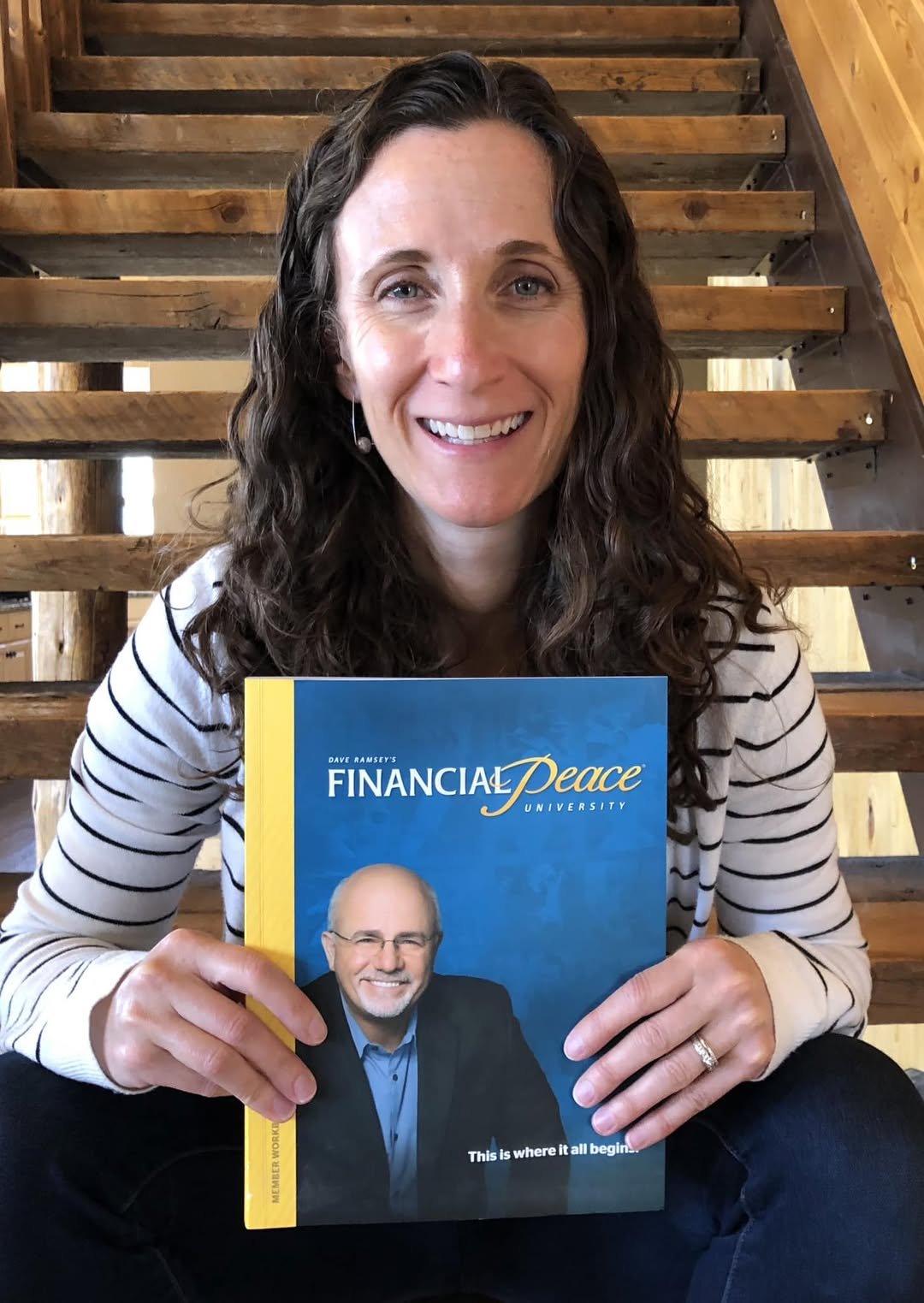
Dave Ramsey shares five principles for building wealth, and I think they're worth talking about.
But I've got one more to add to his list. And, of course, it involves real estate!
Here are six things to consider if you're working toward a stronger financial future.
1. Have a Written Budget
You have to have a game plan for your money, or you're going to lose track of where it goes.
A written budget helps you understand what you're earning, what you're spending, and where you might be able to save.
It doesn't have to be complicated. The important thing is knowing where your money is going instead of wondering where it went.
2. Get Out of Debt
When you don't have a bunch of payments every month, do you know what you've got?
MONEY!
Think about how much more flexibility you'd have if you weren't constantly making payments on credit cards, car loans, and other debts.
Paying off unnecessary debt can free up more of your income for saving, investing, and reaching your long-term goals.
3. Live on Less Than You Make
This one sounds simple, but it's not always easy.
Just because you can afford to buy something doesn't mean you need to.
There's a verse in Proverbs 21:20 that reminds us of the importance of saving instead of consuming everything we have.
Living below your means gives you room to prepare for unexpected expenses and work toward bigger financial goals.
4. Save and Invest
Here's a pretty obvious truth.
If you never save money, you're not going to have any money saved!
Building wealth takes consistency. Setting money aside, building emergency savings, and investing for the future can help create greater financial stability over time.
You don't have to do everything at once. What matters is having a plan and sticking with it.
5. Be Generous
This is one of my favorite principles from Dave Ramsey.
What's the point of building wealth if you never get to do something meaningful with it?
Ramsey's 7 Baby Steps focus on getting out of debt, saving, investing, and eventually being in a position to give generously.
Having financial freedom isn't just about what you can buy for yourself. It's also about what you can do for others.
6. Buy a Home!
And here's my addition to the list.
Buy a home!
I know. Buying a home can feel scary, especially if it's your first time.
It's a big commitment, and there's a lot to think about.
But owning a home can also be one of the ways you build long-term wealth.
When you rent, your monthly payment goes toward living in a property someone else owns. When you buy, part of your mortgage payment generally goes toward paying down the loan on an asset that's yours.
Over time, you may build equity as you pay down your mortgage, and potentially through appreciation if your home's value increases.
Of course, homeownership comes with expenses too. Property taxes, insurance, maintenance, and repairs are all part of the picture. And home values don't always go up.
That means buying isn't automatically the right financial decision for everyone.
But if you're financially prepared and planning to stay in one place for a while, homeownership is certainly worth considering.
And here's something I really want first-time buyers to understand: You don't necessarily need 20% down to buy a home.
That's one of the biggest misconceptions I hear.
There are mortgage programs that allow qualified buyers to purchase with less than 20% down. The options depend on your finances, the property, and the loan program.
A smaller down payment can mean additional costs, so it's important to understand the full picture before making a decision.

 Watch how Carrie’s local expertise can help you find the perfect Kremmling home!